Tailor Made

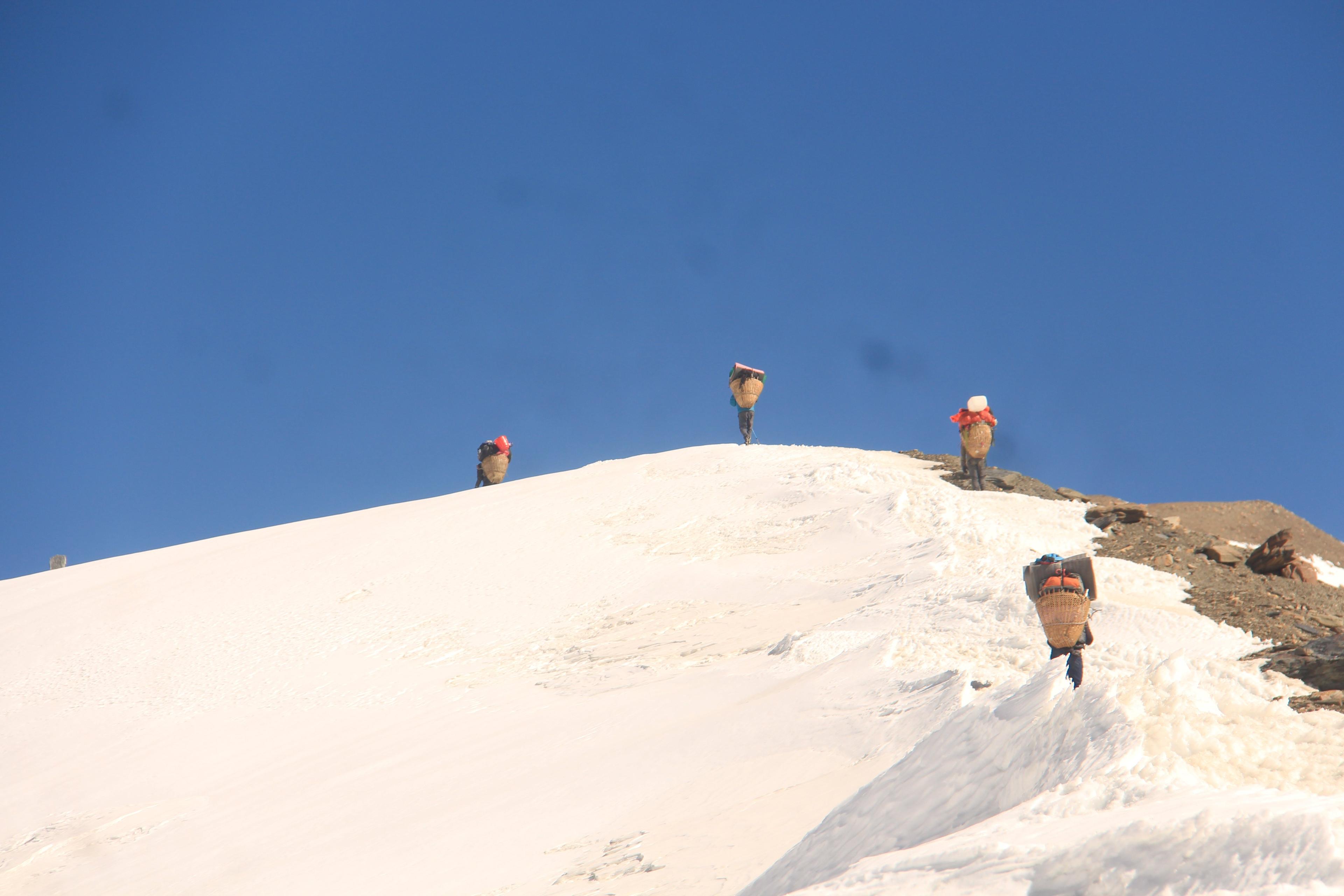
The Dhaulagiri Circuit Trek is one of Nepal’s most remote and demanding trekking adventures. Choosing the right season is essential for a safe and enjoyable experience in this high-altitude wilderness. Weather conditions in the Dhaulagiri region can change rapidly, and proper timing ensures better mountain views, safer pass crossings, and comfortable trekking conditions.
This guide explains the best time to trek the Dhaulagiri Circuit, including seasonal advantages and challenges, to help you plan the perfect Himalayan adventure.
The Dhaulagiri Circuit Trek circles the majestic Dhaulagiri (8,167 m), taking trekkers across high mountain passes, glaciers, and remote valleys. Due to the altitude and remoteness, the trek is best done during stable weather seasons.
The trekking year in Nepal is divided into four main seasons:
Among these, spring and autumn are considered the best seasons for the Dhaulagiri Circuit Trek.
Spring is one of the most popular seasons for the Dhaulagiri Circuit Trek. During this time, temperatures gradually warm up, and the skies are often clear, providing excellent mountain visibility.
The forests along the lower sections of the trail come alive with blooming rhododendrons, creating colorful landscapes as trekkers move toward higher altitudes.
Spring is especially suitable for crossing the high passes like French Pass and Dhampus Pass.
Overall, spring provides a balanced combination of good weather and beautiful scenery.
Autumn is widely considered the best time to trek the Dhaulagiri Circuit. After the monsoon rains, the atmosphere becomes clear, offering spectacular visibility of the Himalayan peaks.
Trekkers enjoy crisp air and stable weather conditions, making it the safest time for crossing glaciers and high mountain passes.
Autumn offers the most predictable conditions for trekking around Dhaulagiri and exploring the remote valleys.
For most trekkers, autumn provides the best overall experience.
Winter trekking on the Dhaulagiri Circuit is possible but extremely challenging. Heavy snowfall can block high passes and make glacier crossings dangerous.
Temperatures drop significantly at higher elevations, especially near base camp and high passes.
Winter trekking is recommended only for highly experienced mountaineers with proper equipment.
The monsoon season brings heavy rainfall to much of Nepal, making the lower sections of the Dhaulagiri Circuit muddy and slippery.
Cloud cover often blocks mountain views, reducing the scenic value of the trek.
Due to safety concerns and poor conditions, monsoon is generally not recommended for the Dhaulagiri Circuit Trek.
Typical temperatures vary greatly depending on altitude.
Spring
Autumn
Winter
Monsoon
The best individual months for trekking include:
Top Months
These months provide the best combination of weather stability and mountain visibility.
The Dhaulagiri Circuit Trek involves:
Choosing the right season improves:
Proper timing ensures a more enjoyable and successful trekking experience.
Because of the remote terrain and changing weather conditions, trekking with experienced guides is highly recommended.
Professional trekking agencies provide:
Guided treks make the Dhaulagiri Circuit safer and more comfortable.
The best time to trek the Dhaulagiri Circuit is during spring (March–May) and autumn (September–November) when weather conditions are stable and mountain views are spectacular.
Trekking around Dhaulagiri during these seasons offers the ideal combination of safety, scenery, and adventure.
If you want to experience one of Nepal’s most remote and rewarding trekking routes, planning your trek in the right season will ensure an unforgettable Himalayan adventure.