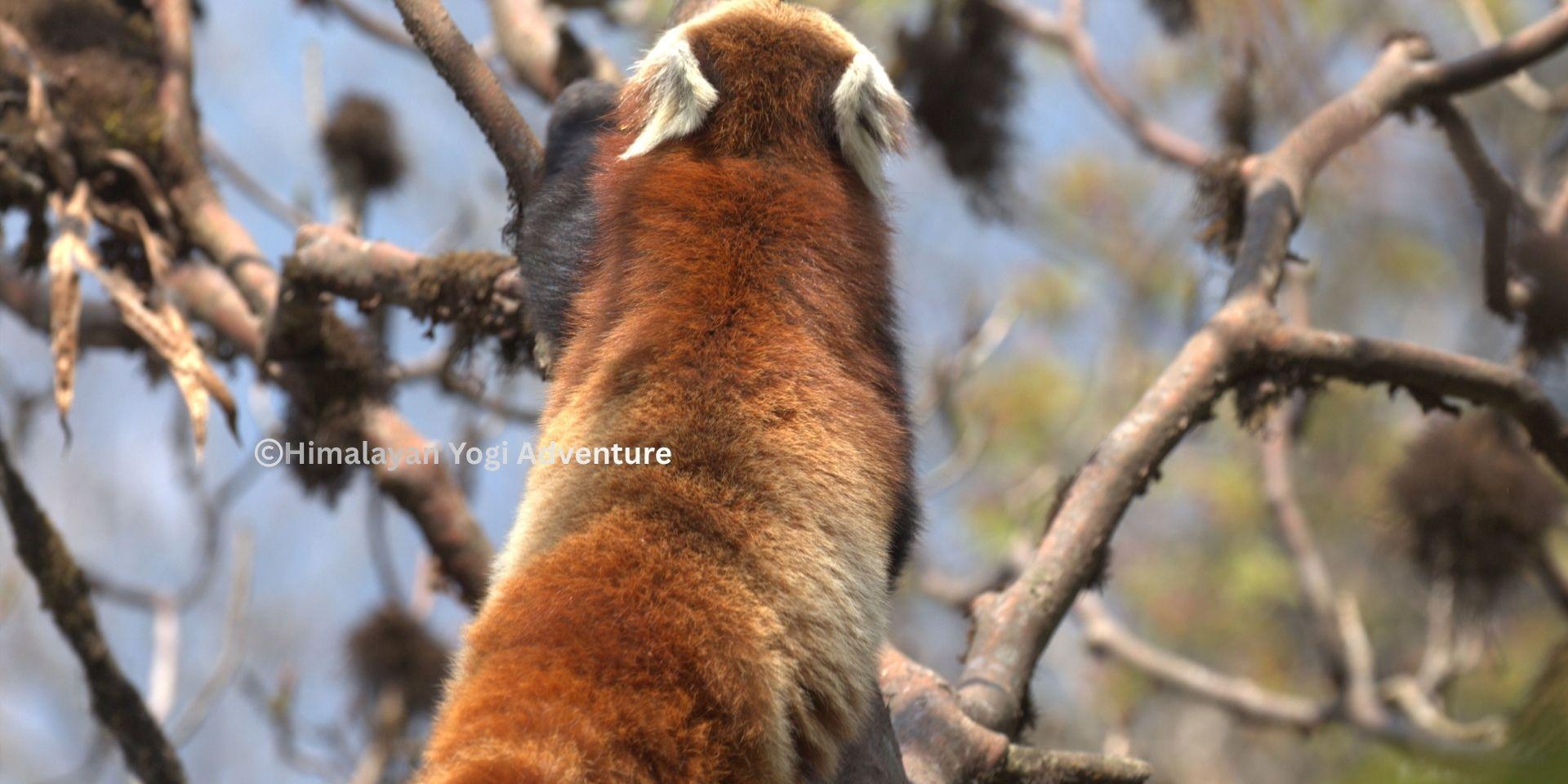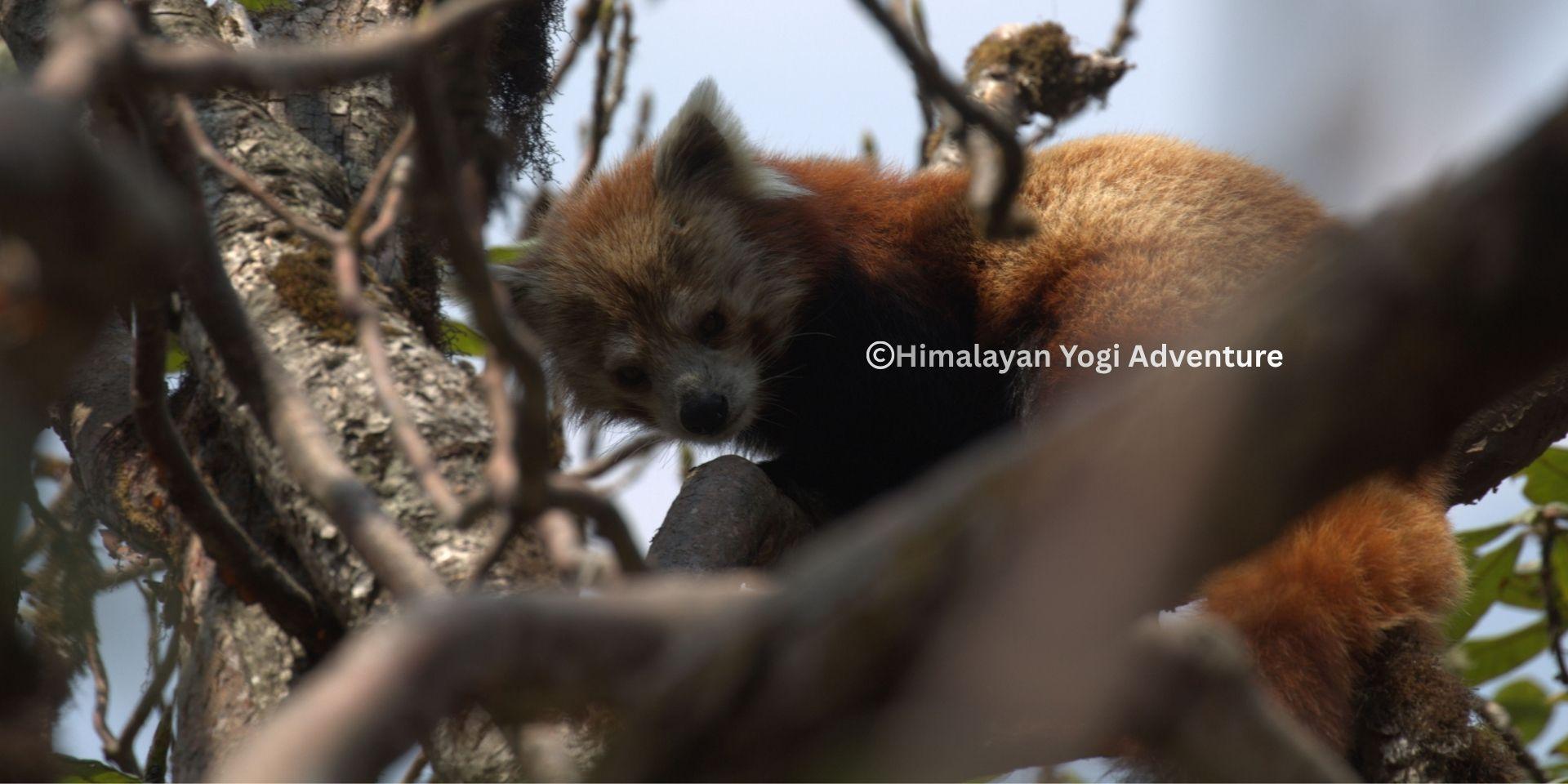
The Red Panda Tracking Tour in Nepal is a unique wildlife adventure that takes you deep into the peaceful forests of the Himalayas in search of the elusive red panda (Ailurus fulgens), locally known as Habre. Recognized as one of Nepal's most fascinating and endangered mammals, the red panda inhabits cool, humid mountain forests where bamboo, rhododendron, oak, fir, and other dense vegetation provide food, shelter, and protection. In Nepal, its potential habitat generally extends from around 2,000 to 4,800 meters, although its distribution is naturally fragmented across the Himalayan landscape. Unlike conventional wildlife safaris, red panda tracking is a slow and rewarding wilderness experience that combines forest exploration, wildlife observation, trekking, photography, and conservation.
Nepal's red panda habitat stretches across the eastern, central, and western Himalayan regions, with some of the country's most significant habitats concentrated in the eastern Himalayas. The Kanchenjunga–Ilam–Panchthar–Taplejung landscape is regarded as one of the country's major red panda population complexes and is an especially important area for red panda conservation and tracking. The species is also found in and around Makalu-Barun National Park, Sagarmatha National Park, Langtang National Park, Gaurishankar Conservation Area, Annapurna Conservation Area, Manaslu Conservation Area, Rara National Park, Dhorpatan Hunting Reserve, Api Nampa Conservation Area, and Khaptad National Park. These diverse landscapes provide travelers with opportunities to experience red panda habitat ranging from lush temperate forests and bamboo groves to remote high-Himalayan wilderness.
Among Nepal's major red panda destinations, Kanchenjunga Conservation Area, Ilam, Panchthar, and Taplejung are particularly noteworthy for specialized tracking tours, while Makalu-Barun, Langtang, Rara, Dhorpatan, Annapurna–Manaslu, and Api Nampa–Khaptad represent other important red panda landscapes. The eastern Nepal region is especially attractive for wildlife travelers because of its combination of dense forest, diverse flora and fauna, traditional mountain communities, and spectacular Himalayan scenery. Depending on the selected destination, the journey may involve remote forest trails, community-managed forests, mountain villages, rhododendron woodland, bamboo-rich habitat, and scenic Himalayan viewpoints.
Red panda tracking requires patience, experienced local trackers, and careful observation, as these animals are shy, solitary, and naturally difficult to spot in their forest environment. During the expedition, travelers search for red panda signs such as feeding areas, droppings, tracks, resting locations, and other evidence of recent activity while exploring the surrounding ecosystem. Beyond the possibility of encountering a red panda in the wild, the journey offers a deeper connection with Nepal's Himalayan biodiversity through birdwatching, wildlife photography, cultural encounters, forest exploration, and conservation education. Red Panda Tracking in Nepal is therefore not simply a wildlife tour—it is an opportunity to explore some of the country's most beautiful and lesser-known Himalayan landscapes while supporting responsible and conservation-oriented tourism.